投稿者: kanako

  • Where Do You Place the も-Particle?

    Where Do You Place the も-Particle?

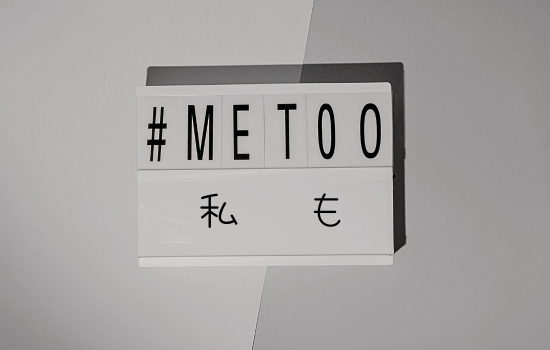
    The も-particle in Japanese is used to indicate that something is in addition to something else, similar to the English word “also” or “too.” The placement of も in a sentence depends on what it is modifying.

    Common mistake:

     The も-particle never comes at the beginning of a sentence. It doesn’t work like the English word “also” at the start of a sentence. If you start a sentence with も, native speakers might think you meant もう, which means “already,” since もう can appear at the beginning of a sentence.

    After the Subject or Topic:

    If you want to say that the subject or topic of the sentence is “also” doing something, place も after the subject/topic noun.

    e.g.

    彼も来ます。 (かれもきます。) — “He will also come.”

    私も学生です。 (わたしもがくせいです。) — “I am also a student.”

    After the Object:

    If you want to say that the object of the sentence is “also” affected by the action, place も after the object noun.

    e.g.

    私は日本語も勉強します。 (わたしはにほんごもべんきょうします。) — “I study Japanese as well (in addition to other subjects).”

    After Other Particles:

    も can follow other particles to indicate that “also” applies to the specific grammatical function.

    e.g.

    彼にもプレゼントをあげました。 (かれにもプレゼントをあげました。) — “I gave him a present too.”

    週末にも会いましょう。 (しゅうまつにもあいましょう。) — “Let’s meet on the weekend as well.”

    With Verbs or Adjectives:

    If you want to express that the action or state described by the verb or adjective applies “also,” you typically need to rephrase the sentence to move も to a noun or particle position, as も does not directly attach to verbs or adjectives.

    e.g.

    本を読むのも好きです。 (ほんをよむのもすきです。) — “I also like reading books.” (Here, の turns the verb phrase into a noun.)

    Important Distinctions:

    In Japanese, word order and particle placement can change the meaning of a sentence. It’s important to understand how these changes can affect the listener’s understanding.

    1. 私もアニメが好きです。
      (わたしもアニメがすきです。)
      — “I also like anime.”
      In this sentence, “も” is used to mean “also.” It implies that in addition to someone else who likes anime, you also like anime.
    2. 私はアニメも好きです。
      (わたしはアニメもすきです。)
      — “I like anime as well.”
      Here, “も” is used after “アニメ” to imply that in addition to other things you like, you also like anime. The emphasis is on anime being one of the many things you like.
    3. 私も甘いものが食べたいです。
      (わたしもあまいものがたべたいです。)
      — “I also want to eat something sweet.”
      In this sentence, “も” is used to mean “also.” It implies that in addition to someone else who wants to eat something sweet, you also want to eat something sweet.
    4. 私は甘いものも食べたいです。
      (わたしはあまいものもたべたいです。)
      — “I want to eat something sweet as well.”
      Here, “も” is used after “甘いもの(あまいもの)” to imply that in addition to other things you want to eat, you also want to eat something sweet. The emphasis is on sweet things being one of the many things you want to eat.

    Key Differences:

    • 私もアニメが好きです。 and 私も甘いものが食べたいです。 emphasize that you are including yourself in a group of people who like anime or want to eat something sweet.
    • 私はアニメも好きです。 and 私は甘いものも食べたいです。 emphasize that you are adding anime or sweet things to a list of things you like or want to eat.

    Understanding these nuances is important because using “も” in different positions can change the meaning and potentially confuse the listener. If you say “私もアニメが好きです。” when you mean “私はアニメも好きです。”, the listener might misunderstand who else likes anime or what else you like. Similarly, confusing “私も甘いものが食べたいです。” with “私は甘いものも食べたいです。” can lead to misunderstandings about who else wants to eat something sweet or what else you want to eat.

    By following these rules, you can correctly place も in your sentences to convey the meaning of “also” or “too.”

  • NOMINALIZER の vs こと

    Nominalizer is similar to Gerund (-ing Form) in English:

    In English, nominalizers are similar to the gerund form (verbs ending in “-ing”) where verbs are turned into nouns. For example, “eating” in “I like eating” is a gerund. In Japanese, this function is served by の and こと.

    食べるの (たべるの) — “Eating” (casual)
    食べること (たべること) — “Eating” (formal/abstract)

    Conjugation:

    You can easily use の and こと by adding them to the dictionary form of verbs or other casual verb forms. Here’s how to use them with different verb forms:

    1. Present Positive Form:
      • 食べるの (たべるの) — “Eating” (casual)
      • 食べること (たべること) — “Eating” (formal/abstract)
    2. Negative Form:
      • 食べないの (たべないの) — “Not eating” (casual)
      • 食べないこと (たべないこと) — “Not eating” (formal/abstract)
    3. Past Tense Form:
      • 食べたの (たべたの) — “Eating” (past, casual)
      • 食べたこと (たべたこと) — “Eating” (past, formal/abstract)
    4. Potential Form:
      • 食べられるの (たべられるの) — “Able to eat” (casual)
      • 食べられること (たべられること) — “Able to eat” (formal/abstract)

    difference between の and こと :

    While の and こと serve similar functions, their usage and nuances differ. Here’s a breakdown of when and how to use each:

    の as a Nominalizer: Usage:

    • Everyday Speech: の is commonly used in casual, everyday conversation.
    • Emotional and Personal Statements: の often conveys personal feelings, desires, or subjective opinions.
    • Actions and States: When describing actions or states that are concrete or perceived directly.

    e.g.

    • Direct Perception:
      • 彼が来るのが見える。(かれが くるのが みえる。) — “I can see him coming.”
      • 子供が遊ぶのが見える。(こどもが あそぶのが みえる。) — “I can see children playing.”

    • Personal Experience or Emotion:
      • 映画を観るのが好きです。(えいがを みるのが すきです。) — “I like watching movies.”
      • 運動するのが嫌いです。(うんどうするのが きらいです。) — “I dislike exercising.”

    こと as a Nominalizer: Usage:

    • Formal and Written Language: こと is more often used in formal speech and writing.
    • General Statements and Abstract Concepts: こと is suitable for describing general truths, facts, or abstract concepts.
    • Regulations and Norms: When stating rules, policies, or objective statements.

    e.g.

    • General Truth or Fact:
      • 日本語を勉強することは楽しい。(にほんごを べんきょうすることは たのしい。) — “Studying Japanese is fun.”
      • 本を読むことは大切です。(ほんを よむことは たいせつです。) — “Reading books is important.”

    • Abstract or Formal Statements:
      • 健康であることが大切です。(けんこうで あることが たいせつです。) — “Being healthy is important.”
      • ルールを守ることが必要です。(ルールを まもることが ひつようです。) — “Following rules is necessary.”
      • 運動することが嫌いです。(うんどうすることが きらいです。) — “I dislike exercising.” *more formal than using の

    Distinguishing の and こと:

    Formality and Context:

    • Use の in casual, spoken contexts.
    • Use こと in formal, written, or abstract contexts.

    Emphasis on Personal Experience vs. Abstract Concept:

    • Use の for personal, subjective experiences.
    • Use こと for general, objective concepts or rules.

    Concrete Actions vs. Abstract States:

    • Use の for concrete, perceivable actions.
    • Use こと for abstract states or activities in a general sense.

    Examples for Comparison:

    Describing an Action (Direct Perception vs. Abstract Statement):

    Direct (Concrete):
    彼が泳ぐのが見える。(かれが およぐのが みえる。) — “I can see him swimming.”

    Abstract (General):
    彼が泳ぐことを知っている。(かれが およぐことを しっている。) — “I know that he swims.”

    Expressing Likes or Dislikes:

    • Personal Preference: 音楽を聞くのが好きです。(おんがくを きくのが すきです。) — “I like listening to music.”
    • General Statement: 音楽を聞くことは楽しい。(おんがくを きくことは たのしい。) — “Listening to music is enjoyable.”

    • Personal Dislike: 運動するのが嫌いです。(うんどうするのが きらいです。) — “I dislike exercising.”
    • General Dislike: 運動することが嫌いです。(うんどうすることが きらいです。) — “Exercising is unpleasant.”

    Note: However, this is a grammatical explanation. These grammatical rules are important when writing formal sentences, but whether something is personal or general is not that important to native speakers in conversation. Whether a sentence is personal or general changes depending on the subject and context of the sentence.

    e.g.

    • みんな、音楽を聞くのは好きだね。(みんな、おんがくを きくのは すきだね。) — “Everyone likes listening to music. ” is a general idea but casual.
    • 私は音楽を聞くことが好きです。(わたしは おんがくを きくことが すきです。) — “I like listening to music.” is personal but formal.

    The point is that “の” tends to be personal, and “こと” tends to be general. It is common to speak without strictly following this rule. Please pay attention to the subject and context of the sentence.

    Special cases where only “こと” can be used and cases where only “の” can be used (Advanced):

    Use Only こと:

    1. When using nominalizers with だ/です.
      • 重要なことです。(じゅうようなことです。) — “It is important.”
    2. When verbs are related to communication or internal thoughts.
      • 話すことが大事です。(はなすことが だいじです。) — “Talking is important.”
      • 考えることが必要です。(かんがえることが ひつようです。) — “Thinking is necessary.”
    3. When expressing purposes or intentions. (*using ことにする grammar)
      • 日本へ行くことにしました。(にほんへ いくことに しました。) — “I decided to go to Japan.”
    4. When expressing ability.
      • 日本語を話すことができます。(にほんごを はなすことが できます。) — “I can speak Japanese.”

    Use Only の:

    1. When verbs are perception verbs.
      • 花の香りがするのがわかる。(はなのかおりが するのが わかる。) — “(I understand that) I can smell the flowers.” describes directly perceiving the smell of flowers.
    2. When verbs are 止める (やめる).
      • 止めるのが難しい。(やめるのが むずかしい。) — “It is difficult to stop.”
    3. When verbs are 手伝う (てつだう) or 待つ (まつ).
      • 人を手伝うのが好きです。(ひとを てつだうのが すきです。) — “I like helping people (to do something).”
      • 待つのが嫌いです。(まつのが きらいです。) — “I dislike waiting.”
    4. When expressing something experienced or observed indirectly.
      • 子供が遊ぶのが聞こえる。(こどもが あそぶのが きこえる。) — “I can hear children playing.” describes indirectly observing children playing by hearing them.

    Conclusion :

    To choose between の and こと, consider the formality, the context (personal vs. general), and whether the statement is about a concrete action or an abstract concept. By understanding these nuances, you can effectively use の and こと to convey your intended meaning in Japanese.